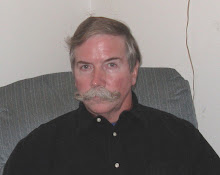
John Derbyshire was informed recently that his writings would no longer be carried by National Review because he had written a column for Taki's Magazine which the hierarchy of NR considered "racist."
It seems to be the case that any time someone points out racial differences, real or perceived, that don't reflect favorably on the subject in question or coincide with current orthodoxy, he is accused of racism. Several years ago Samuel Francis was fired from the Washington Times for being, as Joseph Sobran said, "a little too frank" in what was billed as "a frank discussion on race."
Free speech seems to be okay as long as you don't say anything that offends the wrong groups. It's perfectly all right to disparage rednecks, Fundamentalists of any variety, Catholics, men (especially the white version) and it's usually acceptable to act as though all Germans were Nazis and all Southerners were Klansmen or Klan sympathizers.
What is strange about this is that the person being assailed as a - fill in the blank - doesn't have to advocate anything. All he has to do is point out something unmentionable about the offended group to earn the pejorative label.
Comment sections online are filled with comments by people who think that they have refuted an argument by calling somebody a racist or a "libtard" or some variation on the "tard" suffix. I'm beginning to think that comments like that should just be deleted in order to force the person commenting to formulate a real argument. This is the equivalent of a third grader telling somebody, "you're fat" or "your mother has buck teeth."
It's not just comment sections where this is the mode of argument, it's found in articles too, but not as frequently. There is a never-ending battle between the pro and anti-Lincoln forces over whether he was a racist. The tyrant's detractors will point out statements he made regarding his belief that blacks should not be able to serve on juries or intermarry with whites and so on. His defenders claim that he didn't really believe these things, he just had to say things like that to get elected. What both sides ignore is that his views were almost universally held at the time and were no more racist or open-minded than anybody else's. Regardless of his views on race, Lincoln was a horrible person and a tyrannical president.
The Romans had a saying, "chalk is the pen of fools, walls their paper" that could be applied to the electronic version of chalk. There is probably much more foolish talk than reasoned argument on most comment forums.
If an article appears contending that women should not be in the military, there probably will be far more people denouncing the author as "sexist" than people presenting a counter argument as to why women should be in the military. The debate becomes about the attitude of the author rather than the accuracy of his argument.
There's also what somebody once called the argumentum ad Hitlerum, which is defined as a contention that a position is discredited by virtue of the fact that Hitler might have held a similar view. It works something like this: you think that trains should operate on a precise time schedule, Hitler also thought this, therefore you are like Hitler and your position is ipso facto invalid.
It's common to see news articles (written for adults) that refer to the "N" word - the word having been expunged from the lexicon. Maybe it would be a good thing if equal diligence were exercised in expunging the aforementioned epithets. If you have to call somebody an anti-Semite or homophobe, you probably ought to refrain from commenting until you can come up with a coherent argument. Things have only gotten worse since Alexis de Tocqueville wrote, "I know of no country in which there is so little independence of mind and real freedom of discussion as in America."
Tuesday, April 17, 2012


Saturday, March 10, 2012
Who's Doing the Spying?
Mendax News Service
John Bull lives in an upscale gated community. A week or so ago, his neighbor Tommy Atkins who is also head of the Home Owners Association told him of a proposal by some members of the HOA to attach GPS tracking devices to the vehicles of the residents of the community.
Mr. Atkins said that they also thought it would be a good idea to put cameras on everybody's car so they could see everywhere the car went. It was also suggested by some of the board members that everybody in the association have his phone tapped, email intercepted and browser history monitored.
Mr Bull was not receptive to the idea and even expressed opposition to it, threatening to stir up opinion against it. Atkins tried to reason with Bull by explaining that it was all for the good of the members and if he had nothing to hide, he should have no objection. Atkins also pointed out that there were already cameras everywhere he went and that the government was probably reading and storing his electronic communications anyway, so it was no big deal. Bull was not mollified and pointed out that it was different when the government did it because they had a good reason and the HOA was just being a bunch of busybodies. Atkins asked how it was "different" when the government did it, but Bull said he didn't know, it was just different.
Atkins pointed out that there would be safeguards on the information collected so that it wouldn't fall into the wrong hands and that the HOA had no power to jail him or confiscate his property. Bull remained his bull-headed self, arguing that it would be an invasion of privacy even though he didn't have anything to hide and that it was none of the HOA's business where he went, who he talked to or what sites he visited.
Atkins could see that he was getting nowhere, so he tried to reason with Bull by pointing out that if his wife broke down at night in the middle of nowhere the GPS would be a lifesaver (maybe literally) in locating her whereabouts. "And just think how it might benefit your children if a sharp-eyed board member notices that they're fraternizing online with murderers and child molesters" Atkins said.
Bull was getting madder by the minute, so Atkins tried to calm him down by telling him that the proposal was going to be voluntary anyway and all a member had to do to opt out was fill out a few forms and pay a nominal fee of twelve-hundred pounds a month over and above the usual HOA dues. If a resident wanted to opt out of having pole mounted cameras facing his house there would be an additional charge for that.
Bull starting ranting and raving about "invasions of privacy," "peeping Toms" and a "police-state atmosphere" to the point that Atkins could see that he was paranoid. He was about to go home and let Bull cool down when Bull asked, "Why do you want this information?" Atkins explained that it would make the community more secure and provide a sense of well-being, solidarity and help in the fight against terrorism.
Atkins also took pains to point out to the thick-headed Mr. Bull that the HOA couldn't charge him with a crime although they could report him for criminal or suspicious activity, but that would never happen. He reminded Bull that, "This isn't Spain, this is England!" and that there was nothing to worry about.
Atkins' condescending attitude only succeeded in inflaming Bull's temper. Bull accused Atkins of being a busybody, a spy and a voyeur and shouting that where he went, who he talked to or what websites he visited were "none of his damn business." Atkins saw that Bull was clearly crazy, but he had never seen this before because they had always talked about sports, the weather, or maybe the war against foreign terrorists. In the past, Bull had even expressed approval of illegal wiretaps, illegal and quasi-legal activities to catch criminals, traitors and terrorists, so his reaction was doubly surprising.
Bull, now that his privacy was being compromised, had suddenly become some kind of civil libertarian. Atkins decided to go back home and talk to Bull in a day or two after he had come to his senses and to ponder why Bull objected to his neighbors spying, but not the government.
John Bull lives in an upscale gated community. A week or so ago, his neighbor Tommy Atkins who is also head of the Home Owners Association told him of a proposal by some members of the HOA to attach GPS tracking devices to the vehicles of the residents of the community.
Mr. Atkins said that they also thought it would be a good idea to put cameras on everybody's car so they could see everywhere the car went. It was also suggested by some of the board members that everybody in the association have his phone tapped, email intercepted and browser history monitored.
Mr Bull was not receptive to the idea and even expressed opposition to it, threatening to stir up opinion against it. Atkins tried to reason with Bull by explaining that it was all for the good of the members and if he had nothing to hide, he should have no objection. Atkins also pointed out that there were already cameras everywhere he went and that the government was probably reading and storing his electronic communications anyway, so it was no big deal. Bull was not mollified and pointed out that it was different when the government did it because they had a good reason and the HOA was just being a bunch of busybodies. Atkins asked how it was "different" when the government did it, but Bull said he didn't know, it was just different.
Atkins pointed out that there would be safeguards on the information collected so that it wouldn't fall into the wrong hands and that the HOA had no power to jail him or confiscate his property. Bull remained his bull-headed self, arguing that it would be an invasion of privacy even though he didn't have anything to hide and that it was none of the HOA's business where he went, who he talked to or what sites he visited.
Atkins could see that he was getting nowhere, so he tried to reason with Bull by pointing out that if his wife broke down at night in the middle of nowhere the GPS would be a lifesaver (maybe literally) in locating her whereabouts. "And just think how it might benefit your children if a sharp-eyed board member notices that they're fraternizing online with murderers and child molesters" Atkins said.
Bull was getting madder by the minute, so Atkins tried to calm him down by telling him that the proposal was going to be voluntary anyway and all a member had to do to opt out was fill out a few forms and pay a nominal fee of twelve-hundred pounds a month over and above the usual HOA dues. If a resident wanted to opt out of having pole mounted cameras facing his house there would be an additional charge for that.
Bull starting ranting and raving about "invasions of privacy," "peeping Toms" and a "police-state atmosphere" to the point that Atkins could see that he was paranoid. He was about to go home and let Bull cool down when Bull asked, "Why do you want this information?" Atkins explained that it would make the community more secure and provide a sense of well-being, solidarity and help in the fight against terrorism.
Atkins also took pains to point out to the thick-headed Mr. Bull that the HOA couldn't charge him with a crime although they could report him for criminal or suspicious activity, but that would never happen. He reminded Bull that, "This isn't Spain, this is England!" and that there was nothing to worry about.
Atkins' condescending attitude only succeeded in inflaming Bull's temper. Bull accused Atkins of being a busybody, a spy and a voyeur and shouting that where he went, who he talked to or what websites he visited were "none of his damn business." Atkins saw that Bull was clearly crazy, but he had never seen this before because they had always talked about sports, the weather, or maybe the war against foreign terrorists. In the past, Bull had even expressed approval of illegal wiretaps, illegal and quasi-legal activities to catch criminals, traitors and terrorists, so his reaction was doubly surprising.
Bull, now that his privacy was being compromised, had suddenly become some kind of civil libertarian. Atkins decided to go back home and talk to Bull in a day or two after he had come to his senses and to ponder why Bull objected to his neighbors spying, but not the government.
Sunday, March 4, 2012
Out of Palestine Solidarity with a displaced people
Read more
Sunday, February 26, 2012
Questions For Voters
Several months ago I wrote a series of questions that I would like to see asked of Presidential candidates. In the subsequent months I have encountered people who support their candidate for no definite reason other than something like he's the most likely of the four remaining candidates to "beat Obama" - as if that's all that matters.
With that in mind I decided that I would like to ask the supporters of all the candidates a series of questions to ascertain why they support whomever it is they support. Most or all of these have no "right" answer since they are largely concerned with future conduct.
1. Which candidate do you think is most likely to appoint judges who will follow the constitution's original intent?
2. Which candidate do you think will be most vigilant in protecting individual rights?
3. Which candidate do you think is most likely to respect the powers of the states?
4. Which candidate do you think is most likely to veto unconstitutional legislation?
5. Which candidate do you think is most likely to say what he actually thinks?
6. Which candidate do you think is least likely to support inflationary policies?
7. Which candidate do you think is least likely to approve rendition and torture?
8. Rank the four candidates, Gingrich, Paul, Romney and Santorum as most likely to act from pecuniary motives - most likely to least likely.
9. Which candidate do you think is most likely to obtain a declaration of war from congress before going to war?
10.Which candidate is most likely to reduce spending?
11.Which candidate is least likely to support detention without charge or trial?
12.Which candidate is least likely to append signing statements to bills?
13.Rank the four candidates from biggest liar to most truthful.
14.Which candidate is most likely to honor the separation of powers between the branches?
15.Which candidate has the greatest grasp of economics?
16.Which candidate seems to attach the greatest importance to oaths?
17.Which candidate is most likely to put American interests before those of other countries?
18.Which candidate is most likely to observe the civil liberties of both people and companies?
19.Which candidate is most likely to eliminate federal departments?
20.Which candidate is most likely to attempt elimination of income tax?
21.Which candidate is least likely to compel a seceding state to remain in the union?
22.Which candidate is least likely to approve censoring the internet?
23.Is it important for a president to be honest?
24.Which candidate is most likely to eliminate the TSA?
25.Which candidate is most likely to remove trade and travel restrictions?
26.Which candidate is least likely to bail out failed banks and other companies?
27.Which candidate is most likely to support an individual right to keep and bear arms?
28.Which candidate is most likely to eliminate immewing protesters in "free speech zones"?
29.Which candidate is most likely to support "money freedom," i.e., competing currencies?
30.Which candidate - if any have read it - has the best understanding of the Constitution?
31.Who do think would be the most conscientious steward of government funds?
32.Who do you consider to have been most consistent in his positions and votes?
33.Which candidate seems to have changed his position most often?
34.Have you read any books by any of the candidates?
35.If your preferred candidate isn't the nominee, will you vote, stay home, or write in?
36 Is it more important to beat Obama or to prevent the Republican hierarchy from rigging things?
37.Would it be better to suffer four more years of Obama or to vote in a Republican almost as bad for eight years?
38.What is more important, beating Obama or putting decent people in the Congress and Senate?
39.Is it likely that a Republican Congress will oppose bad policy from a Republican president?
40.Do you think the Republicans would overturn Roe v. Wade if they could?
41.Which candidate is least likely to bomb another country on his own initiative?
42.Which candidate seems to have the biggest ego?
43.Which candidate do you think the GOP hierarchy least wants?
44.Do you think it's possible that the Republicans are using pro-lifers as political pawns?
45.Do you think that the commerce clause has anything to do with mandating health insurance?
46.Many people talk of "taking back America" or "throwing the bums out," etc. Who is most likely to accomplish this objective?
47.What is the greater threat, an external enemy or an ever-expanding government?
48.What is a bigger threat, debasing the currency or global warming?
49.What is more important for a president, being bound by the Constitution or having the "correct" views on various disputed questions?
50.Has the country been going in the right direction for the past one hundred years?
With that in mind I decided that I would like to ask the supporters of all the candidates a series of questions to ascertain why they support whomever it is they support. Most or all of these have no "right" answer since they are largely concerned with future conduct.
1. Which candidate do you think is most likely to appoint judges who will follow the constitution's original intent?
2. Which candidate do you think will be most vigilant in protecting individual rights?
3. Which candidate do you think is most likely to respect the powers of the states?
4. Which candidate do you think is most likely to veto unconstitutional legislation?
5. Which candidate do you think is most likely to say what he actually thinks?
6. Which candidate do you think is least likely to support inflationary policies?
7. Which candidate do you think is least likely to approve rendition and torture?
8. Rank the four candidates, Gingrich, Paul, Romney and Santorum as most likely to act from pecuniary motives - most likely to least likely.
9. Which candidate do you think is most likely to obtain a declaration of war from congress before going to war?
10.Which candidate is most likely to reduce spending?
11.Which candidate is least likely to support detention without charge or trial?
12.Which candidate is least likely to append signing statements to bills?
13.Rank the four candidates from biggest liar to most truthful.
14.Which candidate is most likely to honor the separation of powers between the branches?
15.Which candidate has the greatest grasp of economics?
16.Which candidate seems to attach the greatest importance to oaths?
17.Which candidate is most likely to put American interests before those of other countries?
18.Which candidate is most likely to observe the civil liberties of both people and companies?
19.Which candidate is most likely to eliminate federal departments?
20.Which candidate is most likely to attempt elimination of income tax?
21.Which candidate is least likely to compel a seceding state to remain in the union?
22.Which candidate is least likely to approve censoring the internet?
23.Is it important for a president to be honest?
24.Which candidate is most likely to eliminate the TSA?
25.Which candidate is most likely to remove trade and travel restrictions?
26.Which candidate is least likely to bail out failed banks and other companies?
27.Which candidate is most likely to support an individual right to keep and bear arms?
28.Which candidate is most likely to eliminate immewing protesters in "free speech zones"?
29.Which candidate is most likely to support "money freedom," i.e., competing currencies?
30.Which candidate - if any have read it - has the best understanding of the Constitution?
31.Who do think would be the most conscientious steward of government funds?
32.Who do you consider to have been most consistent in his positions and votes?
33.Which candidate seems to have changed his position most often?
34.Have you read any books by any of the candidates?
35.If your preferred candidate isn't the nominee, will you vote, stay home, or write in?
36 Is it more important to beat Obama or to prevent the Republican hierarchy from rigging things?
37.Would it be better to suffer four more years of Obama or to vote in a Republican almost as bad for eight years?
38.What is more important, beating Obama or putting decent people in the Congress and Senate?
39.Is it likely that a Republican Congress will oppose bad policy from a Republican president?
40.Do you think the Republicans would overturn Roe v. Wade if they could?
41.Which candidate is least likely to bomb another country on his own initiative?
42.Which candidate seems to have the biggest ego?
43.Which candidate do you think the GOP hierarchy least wants?
44.Do you think it's possible that the Republicans are using pro-lifers as political pawns?
45.Do you think that the commerce clause has anything to do with mandating health insurance?
46.Many people talk of "taking back America" or "throwing the bums out," etc. Who is most likely to accomplish this objective?
47.What is the greater threat, an external enemy or an ever-expanding government?
48.What is a bigger threat, debasing the currency or global warming?
49.What is more important for a president, being bound by the Constitution or having the "correct" views on various disputed questions?
50.Has the country been going in the right direction for the past one hundred years?
Tuesday, February 21, 2012
Sacraments and the State
Here's an interesting and timely article in PDF format.
by David Gilbert (full text)
http://cssronline.org/CSSR/Current/Articles%20-%20Gilbert.pdf
(in case the link doesn't work)
Friday, February 17, 2012
Harvesting The Whirlwind
Several years ago, a bishop got into trouble for his intransigence and was transported to the capital city to be punished as an example to all the others who thought they need not obey the law of the land. As he was on his way he wrote seven letters, one to another bishop and six to various churches. The letters mainly consist of exhortations to keep the faith and describe what the faith is. In at least one, he asks the citizens not to interfere with his punishment since he is hoping to be killed by the State. He is much more concerned with speaking the truth in season and out than currying favor with anybody. He is a model of what a bishop -or any clergyman - should be.
Courage has always been the exception rather than the rule. If we try to think of clergy that have spoken the truth to their great peril or death a few might come to mind, but not many; Mindszenty in Hungary; von Galen in Germany, Fisher or Becket in England, Wyszynski in Poland, Athanasius in Africa, or in the example above, Ignatius of Antioch in Rome. Ignatius eventually got to Rome and was thrown to the lions under the Emperor Trajan. Most of these early controversies concerned doctrinal disputes, not opposition to existing social evils such as the slave trade or oppression of women, but as the Church gained influence in secular society social evils came under scrutiny. After the Edict of Milan, proclaimed by Emperors Licinius and Constantine in 313, Romans were free to practice any religion they pleased and the official persecutions largely came to an end. Looking back on this era, it is hard to see how bishops ever had that kind of courage.
After most of the official persecutions had ceased there were still problems (as there will always be) to be dealt with. St. Patrick, the former slave wrote a Letter to Coroticus condemning the enslavement of baptized Christians. Pope John VIII, in 875 forbade the owning of slaves by any Catholic and Bishop Bartolome de las Casas was known as "Protector of the Indians" for his condemnation of their treatment in New Spain.
Today the American bishops are faced with government trying to force its will on the Church and the populace. The Obama administration along with congress (which is equally culpable) are trying to force everyone to provide health insurance that provides services that are considered by some - not just Catholics - to be morally objectionable.
This is largely a problem of the bishops' own making. The bishops and many other clergymen of various religions never met a social program they didn't like and support. The National Conference of Catholic Bishops seemed to be a political action committee for the Democrats most of the time. Church and Church-affiliated institutions willingly took money extorted from the citizenry in order to do good things such as feeding people or running hospitals and schools. Schools, hospitals, shelters and so on are worthy endeavors, but they should be funded with contributions, not exactions.
The bishops never seemed to oppose coercion when it benefited them, but now that they are the victims of it, they are suddenly discovering the Constitution and its First Amendment. Every day they should meditate on the line from the Epistle to the Galatians that advises, "...for whatever a man sows, that he will also reap."
They have sown coercion - or at least not opposed it - and now they are reaping its harvest. Even now they don't object to the government forcing everyone to buy insurance, they only object to certain procedures that must be provided.
It is not just in the financial realm that they have approved coercion. Many religious people supported laws that embraced what Frederic Bastiat called "forced fraternity." This is the brother of "philanthropic tyranny." It never seemed to occur to supporters of forced fraternity that the admonition to love one another did not mean "love and associate with one another or go to jail."
The solution to this problem is actually very simple, but difficult to implement. It was outlined about 450 years ago in a small treatise by Etienne De La Boetie called The Discourse of Voluntary Servitude. In it he counsels his readers to overthrow a tyrant by withholding obedience.
“It is therefore the inhabitants themselves who permit, or rather, bring about, their own subjection, since by ceasing to submit they would put an end to their servitude. A people enslaves itself, cuts its own throat, when, having a choice between being vassals and being free men, it deserts its liberties and takes on the yoke, gives consent to its own misery, or rather, apparently welcomes it.....What could he do to you if you yourselves did not connive with the thief who plunders you, if you were not accomplices of the murderer who kills you, if you were not traitors to yourselves?....From all these indignities, such as the very beasts of the field would not endure, you can deliver yourselves if you try, not by taking action, but merely by willing to be free.
Resolve to serve no more, and you are at once freed. I do not ask that you place hands upon the tyrant to topple him over, but simply that you support him no longer; then you will behold him, like a great Colossus whose pedestal has been pulled away, fall of his own weight and break into pieces."
Stealing money through the agency of government has resulted in an odd situation in which the parasite is actually invigorating the thief and thereby endangering itself. Now the host has turned on the parasite which is actually a good thing, although it might not appear so yet. The first step in the return to self-determination is to refuse funds from the government. Money from the government is like free dope from the drug dealer. There will come a time when it will cost a great deal.
Courage has always been the exception rather than the rule. If we try to think of clergy that have spoken the truth to their great peril or death a few might come to mind, but not many; Mindszenty in Hungary; von Galen in Germany, Fisher or Becket in England, Wyszynski in Poland, Athanasius in Africa, or in the example above, Ignatius of Antioch in Rome. Ignatius eventually got to Rome and was thrown to the lions under the Emperor Trajan. Most of these early controversies concerned doctrinal disputes, not opposition to existing social evils such as the slave trade or oppression of women, but as the Church gained influence in secular society social evils came under scrutiny. After the Edict of Milan, proclaimed by Emperors Licinius and Constantine in 313, Romans were free to practice any religion they pleased and the official persecutions largely came to an end. Looking back on this era, it is hard to see how bishops ever had that kind of courage.
After most of the official persecutions had ceased there were still problems (as there will always be) to be dealt with. St. Patrick, the former slave wrote a Letter to Coroticus condemning the enslavement of baptized Christians. Pope John VIII, in 875 forbade the owning of slaves by any Catholic and Bishop Bartolome de las Casas was known as "Protector of the Indians" for his condemnation of their treatment in New Spain.
Today the American bishops are faced with government trying to force its will on the Church and the populace. The Obama administration along with congress (which is equally culpable) are trying to force everyone to provide health insurance that provides services that are considered by some - not just Catholics - to be morally objectionable.
This is largely a problem of the bishops' own making. The bishops and many other clergymen of various religions never met a social program they didn't like and support. The National Conference of Catholic Bishops seemed to be a political action committee for the Democrats most of the time. Church and Church-affiliated institutions willingly took money extorted from the citizenry in order to do good things such as feeding people or running hospitals and schools. Schools, hospitals, shelters and so on are worthy endeavors, but they should be funded with contributions, not exactions.
The bishops never seemed to oppose coercion when it benefited them, but now that they are the victims of it, they are suddenly discovering the Constitution and its First Amendment. Every day they should meditate on the line from the Epistle to the Galatians that advises, "...for whatever a man sows, that he will also reap."
They have sown coercion - or at least not opposed it - and now they are reaping its harvest. Even now they don't object to the government forcing everyone to buy insurance, they only object to certain procedures that must be provided.
It is not just in the financial realm that they have approved coercion. Many religious people supported laws that embraced what Frederic Bastiat called "forced fraternity." This is the brother of "philanthropic tyranny." It never seemed to occur to supporters of forced fraternity that the admonition to love one another did not mean "love and associate with one another or go to jail."
The solution to this problem is actually very simple, but difficult to implement. It was outlined about 450 years ago in a small treatise by Etienne De La Boetie called The Discourse of Voluntary Servitude. In it he counsels his readers to overthrow a tyrant by withholding obedience.
“It is therefore the inhabitants themselves who permit, or rather, bring about, their own subjection, since by ceasing to submit they would put an end to their servitude. A people enslaves itself, cuts its own throat, when, having a choice between being vassals and being free men, it deserts its liberties and takes on the yoke, gives consent to its own misery, or rather, apparently welcomes it.....What could he do to you if you yourselves did not connive with the thief who plunders you, if you were not accomplices of the murderer who kills you, if you were not traitors to yourselves?....From all these indignities, such as the very beasts of the field would not endure, you can deliver yourselves if you try, not by taking action, but merely by willing to be free.
Resolve to serve no more, and you are at once freed. I do not ask that you place hands upon the tyrant to topple him over, but simply that you support him no longer; then you will behold him, like a great Colossus whose pedestal has been pulled away, fall of his own weight and break into pieces."
Stealing money through the agency of government has resulted in an odd situation in which the parasite is actually invigorating the thief and thereby endangering itself. Now the host has turned on the parasite which is actually a good thing, although it might not appear so yet. The first step in the return to self-determination is to refuse funds from the government. Money from the government is like free dope from the drug dealer. There will come a time when it will cost a great deal.
Friday, January 27, 2012
Unfit Parents?
Mendax News Service
Reports have surfaced that the Department of Child Protection is looking into the details of a couple that lost their pre-teen son for three days without reporting it. The boy attended some kind of religious festival with his parents and relatives when he somehow got separated from them. It wasn't discovered that he was missing until the group had already been traveling home for a full day.
Mendax has not been able to get the full details, as they are sketchy, but the boy was found safe and sound after three days. It is thought that Child Protection officials are gathering details of the incident and will act to remove the child from his parents and place him in foster care.
How he got separated from the group and why his parents did not notify authorities have not been determined. It has been rumored that the parents thought that he was with friends or relatives in the group and did not check on his whereabouts for a full day.
The festival had something to do with Old Testament religious beliefs and apparently the entire group adheres to Mosaic and Levitical Law. Child Protective officials generally look with disfavor on religious groups that separate themselves from mainstream society.
Some witnesses who know the boy say that he seems extremely smart, respectful and polite, but attends a non-public school with no accreditation that has no electricity or central heating and air conditioning. If it is found that the parents were negligent, they could be sentenced to jail or ordered to perform community service.
Officials are being tight-lipped about details, but it is believed that they found out about the incident from a letter written to someone named Theophilus by a physician named Luke, last name unknown. The letter became public, thus disclosing the incident.
The mother of the boy is a housewife and the father - foster father, actually - is believed to be a carpenter or blacksmith. Shortly after the boy was born the parents fled the country, believing that somebody was out to kill him. The father claimed that he had a dream in which he was told it was safe to return.
Child advocates demand that the boy be taken away from his parents because of their negligence, but some people argue that losing track of a child can happen to the best of parents and that the state has no authority to intervene in the affair even if proven true.
If the boy is taken away from his parents, it has been suggested that he could be placed with his cousin Elizabeth and her husband Zachary who live in a nearby town and have a son about the same age named John.
Officials don't have any vehicle description or tag number as the couple doesn't have a car, but they have notified town authorities in Nazareth to be on the lookout for the parents. The mother's name is Mary and the father's name is Joseph Ben Heli
Reports have surfaced that the Department of Child Protection is looking into the details of a couple that lost their pre-teen son for three days without reporting it. The boy attended some kind of religious festival with his parents and relatives when he somehow got separated from them. It wasn't discovered that he was missing until the group had already been traveling home for a full day.
Mendax has not been able to get the full details, as they are sketchy, but the boy was found safe and sound after three days. It is thought that Child Protection officials are gathering details of the incident and will act to remove the child from his parents and place him in foster care.
How he got separated from the group and why his parents did not notify authorities have not been determined. It has been rumored that the parents thought that he was with friends or relatives in the group and did not check on his whereabouts for a full day.
The festival had something to do with Old Testament religious beliefs and apparently the entire group adheres to Mosaic and Levitical Law. Child Protective officials generally look with disfavor on religious groups that separate themselves from mainstream society.
Some witnesses who know the boy say that he seems extremely smart, respectful and polite, but attends a non-public school with no accreditation that has no electricity or central heating and air conditioning. If it is found that the parents were negligent, they could be sentenced to jail or ordered to perform community service.
Officials are being tight-lipped about details, but it is believed that they found out about the incident from a letter written to someone named Theophilus by a physician named Luke, last name unknown. The letter became public, thus disclosing the incident.
The mother of the boy is a housewife and the father - foster father, actually - is believed to be a carpenter or blacksmith. Shortly after the boy was born the parents fled the country, believing that somebody was out to kill him. The father claimed that he had a dream in which he was told it was safe to return.
Child advocates demand that the boy be taken away from his parents because of their negligence, but some people argue that losing track of a child can happen to the best of parents and that the state has no authority to intervene in the affair even if proven true.
If the boy is taken away from his parents, it has been suggested that he could be placed with his cousin Elizabeth and her husband Zachary who live in a nearby town and have a son about the same age named John.
Officials don't have any vehicle description or tag number as the couple doesn't have a car, but they have notified town authorities in Nazareth to be on the lookout for the parents. The mother's name is Mary and the father's name is Joseph Ben Heli
Subscribe to:
Posts (Atom)